The Fiery Clashes: Unpacking the Fiorentina Incident and Its Aftermath
The passion that fuels Italian football can, at times, boil over into destructive aggression, and the recent confrontation involving
ultras Salernitana and police outside the Stadio Arechi serves as a stark reminder. Before the Serie A match against Fiorentina, what began as an attempt to confront rival fans escalated into a violent 20-minute ordeal, leaving 10 police officers injured, three of whom required hospital treatment.
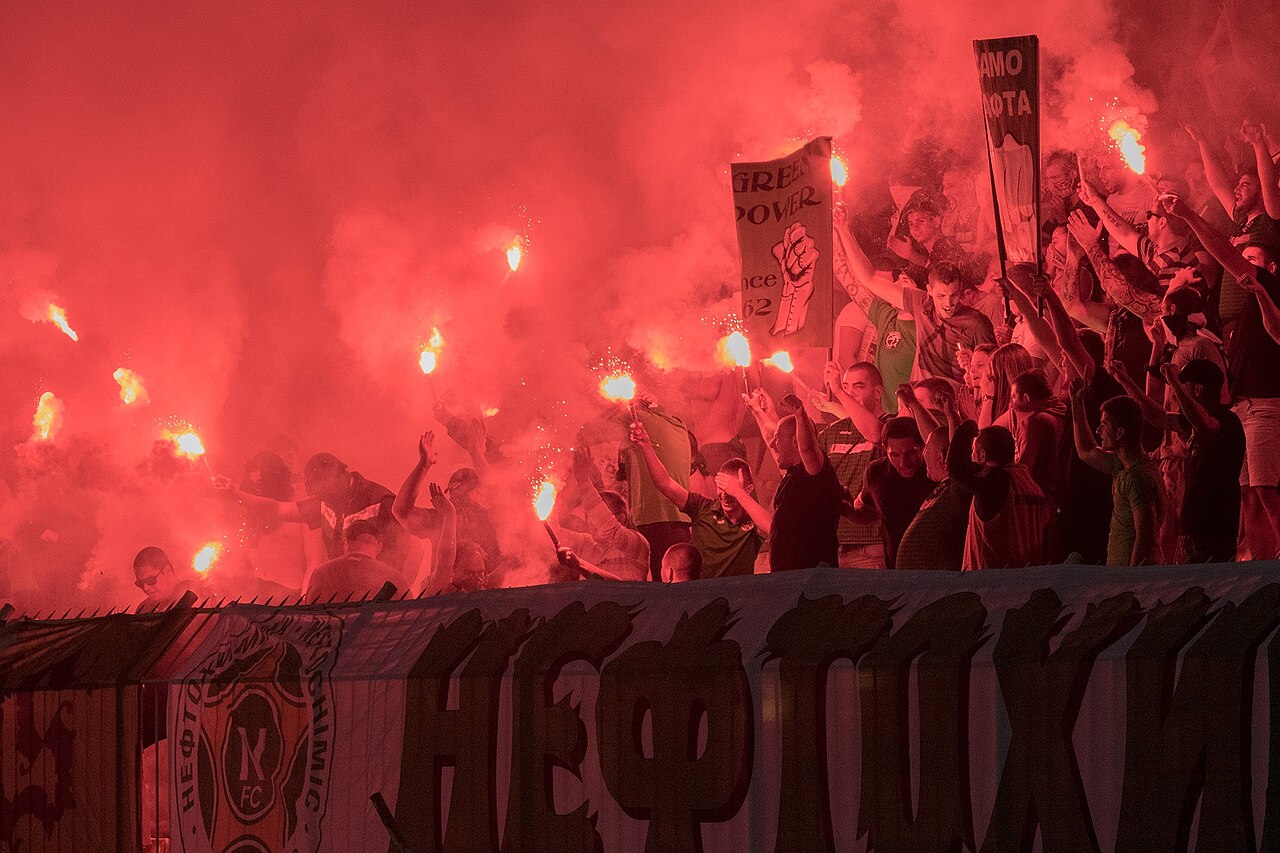
Eyewitnesses and official reports detail a chaotic scene where a determined group of Salernitana ultras hurled a barrage of objects, including fireworks and powerful explosives, targeting first the Fiorentina supporters and then turning their aggression directly onto the law enforcement personnel who intervened. The police were forced to deploy tear gas to disperse the rioters, a measure that inadvertently sent families and regular match-goers scrambling into the stadium for safety, undoubtedly marring their experience of a beloved sport.
This incident, which occurred just moments before Fiorentina secured a 2-0 victory, wasn't an isolated eruption of ill-will. The rivalry between these two sets of supporters dates back over two decades to November 1998. In a peculiar turn of events, the Stadio Arechi served as neutral ground for a UEFA Cup match between Fiorentina and Swiss club Grasshoppers. During this game, Salernitana fans, present in the stadium, threw fireworks onto the pitch, striking an assistant referee. UEFA's decisive response was to inflict a defeat on Fiorentina as the 'home' team, a ruling that ignited a deep-seated animosity and has fueled numerous clashes in the years since.
Further exacerbating tensions and highlighting a concerning lack of sportsmanship, some Salernitana supporters were reportedly heard shouting insults during a minute's silence held to honor Mattia Giani, a young player who tragically passed away after collapsing during a semi-pro match near Florence just days prior. Such actions underscore the complex and often troubling facets of ultra culture, where intense loyalty can sometimes overshadow basic respect and empathy. The immediate aftermath raises critical questions about stadium security, crowd control, and the ongoing challenge of curbing football-related violence that puts both authorities and innocent fans at risk.
Beyond the Stands: Salernitana's Existential Crisis and Fan Rebellion
While the violence with Fiorentina ultras captures immediate headlines, the deeper currents of unrest among
ultras Salernitana and the broader fanbase stem from a profound existential crisis threatening the very future of the club. Salernitana has been embroiled in a tumultuous ownership dispute that could see them dramatically expelled from Serie A.
The crux of the problem lies with Claudio Lotito, who, as the owner of both Salernitana and Lazio, found himself in direct conflict with Italian Football Federation (FIGC) regulations prohibiting one individual from controlling two clubs in the same division. Following Salernitana's promotion from Serie B, Lotito was mandated to sell the club. However, despite numerous deadlines being set and subsequently pushed back, a suitable buyer failed to materialize. This precarious situation led to the very real threat of the FIGC excluding Salernitana from Serie A after December 31st. Such an outcome would be catastrophic, forcing the club to restart from the amateur leagues and wiping all their results from the current campaign.
The desperation and anger within the Salernitana fanbase are palpable. At the Stadio Arechi, numerous banners displayed their outrage, directly targeting both Lotito and FIGC President Gabriele Gravina. Slogans like "Gravina, keep your promise" and "Amateur, semi-pro or neighbourhood field, we’re with Salernitana whatever the level" showcased unwavering loyalty mixed with fierce defiance. The rallying cry, "Liberate Salernitana!", became a powerful symbol of their demand for freedom from the ownership limbo that jeopardized their Serie A status.
This situation highlights the unique and often militant relationship between Italian ultras and their clubs, where fan groups frequently extend their influence beyond mere support to political activism and direct engagement with ownership and governance issues. Adding a significant layer of solidarity, Inter Milan ultras also made their presence known, unfurling a banner that declared, "You cannot buy and sell your faith at a marketplace. Solidarity with Salernitana fans." This gesture resonated deeply, receiving a standing ovation from the local crowd and illustrating a powerful, unifying sentiment among fan groups against perceived corporate manipulation within football. The fight to save Salernitana is a testament to the enduring power of fan-driven movements in the face of administrative turmoil. To delve deeper into this ongoing struggle, read more about
Salernitana Serie A Crisis: The Battle to Liberate the Club.
A Club's Tumultuous History: Understanding the Ultras Salernitana Spirit
To fully grasp the fervent, sometimes volatile, spirit of
ultras Salernitana, one must appreciate the club's long and often arduous journey through Italian football. US Salernitana 1919 boasts a rich history dating back to its founding, but it is a history punctuated by significant challenges, including financial difficulties and even bankruptcies that led to name changes and restarts.
The club has experienced the highs of Serie A only twice before, in the 1947-48 and 1998-99 seasons, prior to their most recent promotion. These brief stints in the top flight, interspersed with long periods in lower divisions, have cultivated a deep sense of resilience and an 'underdog' mentality among its supporters. Each return to Serie A is a hard-won battle, a moment of triumph against long odds, further cementing the bond between the club and its dedicated fanbase. The financial troubles of 2005 and 2011, which saw the club reborn under new guises and ownership, including the controversial involvement of Claudio Lotito's brother-in-law, have only deepened the fans' sense of struggle and pride in their club's survival.
This background of continuous rebirth and struggle molds the identity of the ultras. Their passion isn't merely for winning; it's for *existing*, for representing their city, Salerno, against the perceived might of larger, more established clubs. This historical narrative helps explain why they react so fiercely to threats against their club's integrity or future, whether from rival fans or ownership disputes. The "seahorse" mascot, known for being one of the slowest fish, might seem an odd choice for a football club, yet it perhaps subtly reflects their journey – slow, steady, and against the current, but ultimately persistent. The ultras embody this persistence, defending their club with an intensity that can sometimes spill over, as seen in the Fiorentina clashes, driven by a deep-seated loyalty born from decades of shared triumphs and tribulations. For a more detailed account of their journey, explore
Salernitana's Tumultuous Journey: Ultras Clashes & Serie A Fight.
The Broader Implications for Italian Football
The events surrounding Salernitana, from the violent clashes to the ownership crisis, are not isolated incidents but rather symptoms of broader challenges facing Italian football. Fan violence remains a persistent issue, often fueled by deep-seated rivalries, historical grievances, and an aggressive ultra culture that, while embodying fierce loyalty, can also cross critical boundaries. The deployment of tear gas and the injury of police officers highlight the serious safety concerns that clubs, leagues, and authorities must continuously address.
Stadium security and effective crowd management are paramount. This involves not only reactive measures like police intervention but also proactive strategies, such as enhanced intelligence gathering on known risk groups, stricter penalties for violent acts, and potentially segregated routes for away fans to prevent flashpoints. Beyond security, there's a need for sustained dialogue between clubs, fan groups, and local authorities to foster a culture of responsible support, ensuring passion doesn't descend into criminality.
Furthermore, the Salernitana ownership saga underscores the importance of clear, enforceable regulations regarding club ownership and financial stability within Serie A. The multi-club ownership rule, while designed to promote fair competition and prevent conflicts of interest, must be implemented with mechanisms that protect clubs and their fanbases from being caught in administrative limbo. The integrity of the league and the future of historic clubs depend on transparent governance and timely resolutions to such complex issues.
Actionable Advice for Stakeholders:
- For Clubs: Invest in robust fan liaison programs to build bridges with ultra groups, promoting positive fan behavior and identifying potential trouble early. Implement stricter, transparent internal sanctions for individuals involved in violence.
- For Authorities: Ensure consistent application of laws against violence, increase intelligence sharing between police forces, and explore technological solutions for crowd monitoring without infringing on privacy.
- For Fan Groups: Embrace the positive aspects of ultra culture – community building, vibrant stadium atmospheres – while actively condemning and self-policing against violent elements that tarnish the reputation of true supporters.
- For the League/Federation: Streamline and clarify ownership transfer processes. Consider support mechanisms for clubs facing existential threats due to administrative issues beyond their control.
Ultimately, the future of Italian football, and particularly clubs with such a rich, tumultuous history as Salernitana, hinges on a collective commitment to fostering an environment where passion is celebrated, but violence and disrespect are unequivocally rejected.
Conclusion
The recent violent clashes involving
ultras Salernitana and police, set against the backdrop of an existential ownership crisis and a club history marked by struggle, paints a complex picture of Italian football. It's a narrative woven with threads of unwavering loyalty, deep-seated rivalries, and a fervent passion that, while admirable, can sometimes ignite into destructive behavior. The events serve as a stark reminder of the continuous battle to balance the raw emotion of the beautiful game with the imperative of safety, respect, and fair play. As Salernitana navigates its precarious future, the world watches to see if the powerful spirit of its fanbase, combined with responsible governance and effective security, can ensure that the club’s rich history continues without being marred by further violence or administrative turmoil.